New Book On How to Reduce Plastic Pollution in Fisheries and Aquaculture
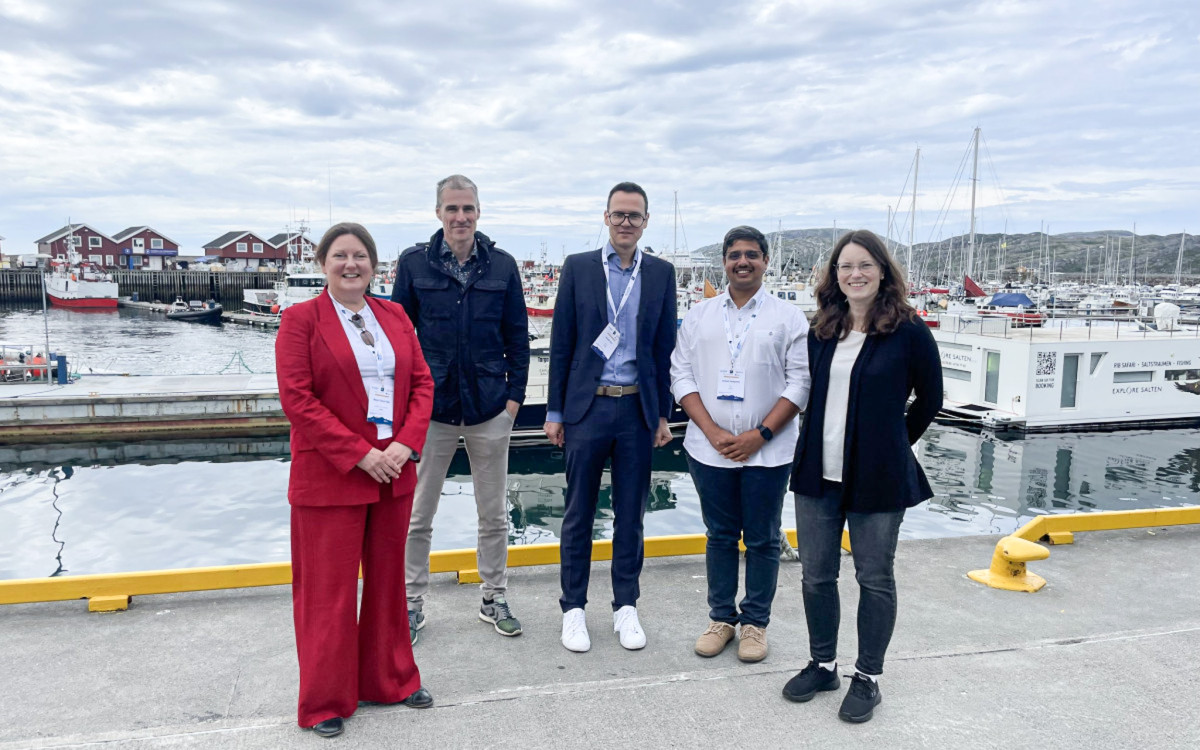
A new book provides concrete guidance on how to reduce plastic pollution from aquaculture and fisheries.
The culmination of four years of research into mitigating measures for plastic pollution from fisheries and aquaculture, researchers from Nordlandsforskning, in collaboration with a number of other research institutes, have published an international book with Routledge.
Project co-lead of Shift-Plastics, Megan Palmer-Abbs, says the Shift-Plastics project has been innovative and forward-thinking, working seamlessly to bring together a wealth of actors from across the sectors in tackling marine plastic pollution — insights the publisher Routledge clearly sees great value in as well, Palmer-Abbs adds.
Marine plastic pollution is a complex (wicked) issue and requires system change if we are to improve how we use plastic, says Palmer-Abbs.
This serious environmental problem is high on international, national, and local agendas as it affects all of us.
With the international plastics agreement failing to meet its objectives, projects like Shift-Plastics advance the development of deep solutions with industry and government.
Tackling the Problem at a System Level in Norway
“Tackling the problem at a systems level in Norway is exactly what we have done in Shift-Plastics,” says Palmer-Abbs, who led this work, with key findings set out in the textbook Managing Marine Plastic Pollution in Norway.
She adds that the level and pace of achievements in the book would not have been possible without the intense collaborative work.
This includes a review of all plastic-based materials in the fisheries and aquaculture sectors’ service model value chain and how they are managed and used.
This understanding is based on insights from various professional perspectives, such as materials technology, analysis of material flows, life cycle analyses, law and policy, in close collaboration with industry, interest organizations, administration, and recycling actors.
Accounts for six percent of plastic pollution
Mapping of material flows and current practices indicates that the aquaculture sector in Norway produces 42,046 tonnes of plastic waste per year. Of this, 33 percent is recycled, 42 percent goes to incineration, 21 percent to landfill, and about 3 percent is lost in nature.
The fisheries sector accounts for 4,200 tonnes of plastic waste per year. Of that, only 45 percent is recycled; the rest goes to incineration and landfill (48 and 7 percent, respectively). It is clear much can be improved in plastic management in both fisheries and aquaculture. The industries account for 6 percent of total plastic waste in Norway. Aquaculture is very plastic-intensive, producing ten times more plastic than fisheries—in real terms, it takes 1 kilo of plastic per kilo of fish in aquaculture compared to fisheries. Large fish farming cages are a significant contributor.
Key Recommendations: Systemic Change and Circularity
Central to the book and its key recommendations is systemic change and sustainable circularity. The goal is to understand current pitfalls across the service model value chain in mitigating marine plastic waste and to develop short-, medium-, and long-term changes that are more sustainable and circular.
Key to these changes, says Palmer-Abbs, is tackling problems systemically with sound scientific and socio-economic knowledge. Preserving and extending the life of equipment and avoiding constant production of new plastic is favored, particularly for ropes, nets, and cages. While there is great potential for preserving, repairing, and recycling this equipment, challenges such as poor design and lack of collection remain obstacles.
Establishing Sustainable Circular Value Chains
The technical goal is to establish “more sustainable circular value chains” for marine plastic. Future development in the marine industries must be socially just and within environmental limits. The recycling sector collectively acknowledges it can recycle 100 percent of Norway’s fisheries and aquaculture plastic waste if recyclate is cleanly sorted after use, says Palmer-Abbs.
In the short term, to reduce plastic waste, the sectors recognize the need for better waste sorting systems, clearer labeling of product content, a producer responsibility system, and regulatory changes so that environmentally friendly choices are profitable and overall plastic use is reduced. Researchers recommend establishing an expert committee of researchers, industry, and authorities to actively reduce plastic use in the industries and monitor progress over time, in line with Norwegian traditions, including emission reductions in the process industry.
Global Relevance of Shift-Plastics
Palmer-Abbs notes that the high level of commitment and close interaction between user partners and researchers is a credit to all participants in Shift-Plastics, on which the book is based. The work is highly relevant to other countries and sectors. Together, they have mapped challenges, developed strategies to reduce plastic use in industries, and provided a comprehensive analysis of challenges and solutions in preventing plastic waste.